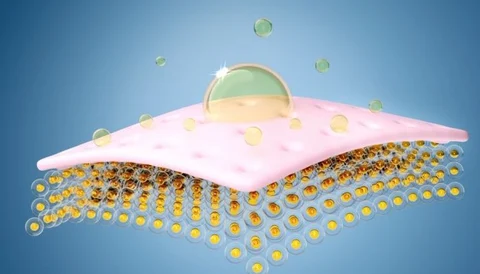
Collagen Biostimulation Science
A science-based approach to supporting dermal density, skin resilience, and long-term structural rejuvenation.

Collagen plays a central role in skin strength, firmness, and structural integrity. As fibroblast activity gradually declines with age, the skin may lose density, elasticity, and resilience over time. This is one reason why the face can begin to look thinner, less supported, and less able to maintain youthful structure, even when volume loss is not the only concern.
At Siam Clinic, collagen biostimulation is approached through medically guided assessment of skin quality, structural aging, and long-term tissue support. The goal is to understand whether age-related change is linked to declining dermal density and whether biostimulatory strategies may help support gradual restoration from within.
Why Collagen Matters in Structural Aging
Skin quality is shaped by more than surface appearance alone. Beneath the visible surface, collagen provides much of the framework that helps skin remain firm, supported, and resilient. When collagen production slows and tissue remodeling becomes less efficient, the skin may begin to show reduced elasticity, less bounce, and a thinner overall appearance.
This is why structural aging cannot always be understood as a simple issue of lines or laxity alone. In many individuals, there is also a gradual decline in dermal support that affects how the skin behaves over time.
What Collagen Biostimulation Means
Collagen biostimulation refers to approaches designed to support the skin’s natural remodeling processes rather than simply adding immediate volume. In selected cases, biostimulatory treatments may help encourage gradual collagen renewal and improve the structural quality of the skin over time.
This approach is often considered when the goal is to support dermal density, tissue quality, and longer-term structural improvement rather than immediate correction alone.
How Biostimulatory Approaches Work
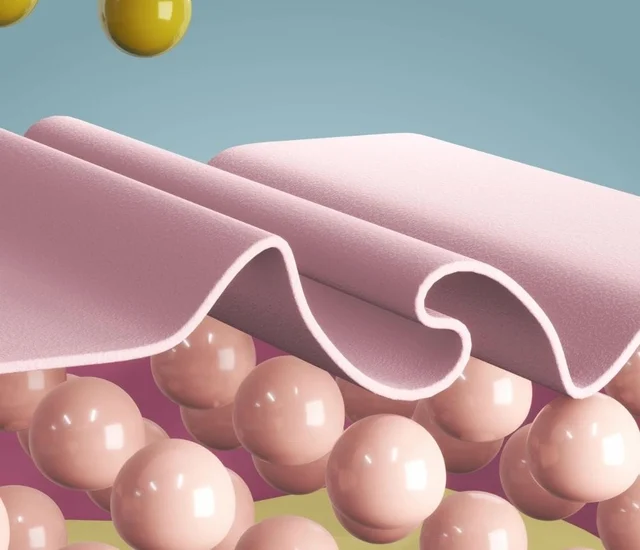
Biostimulatory treatments work by creating controlled, clinically guided stimulation within the tissue. This may help signal the skin’s natural repair response and support gradual collagen remodeling over time. Unlike purely volumizing treatments, the effect is typically progressive and related to tissue quality as much as visible fullness.
Because the process depends on biological response, results are usually gradual rather than immediate. The focus is on supporting the skin’s structural environment in a way that aligns with longer-term rejuvenation planning.
PLLA and Collagen Remodeling
One example of a biostimulatory approach is PLLA, which is commonly recognized in aesthetic medicine as Sculptra. In selected cases, PLLA may be used as part of a broader structural restoration strategy when the goal is to support collagen remodeling and improve dermal quality over time.
Its role is different from that of treatments primarily used for localized volume replacement. In a structural context, the emphasis is on progressive tissue support, skin resilience, and long-term quality rather than immediate filling alone.
What This Approach May Help Support
When appropriately selected, collagen biostimulation may help support concerns such as:
- reduced skin firmness
- lower dermal density
- loss of elasticity
- thinner or less resilient skin
- age-related decline in tissue support
- the need for gradual, longer-term skin quality improvement
This approach is often most relevant when treatment goals center on structural support and tissue quality rather than isolated correction of one visible feature.
Why Assessment Matters
Not every visible sign of aging is primarily a collagen issue. Some individuals are affected more by volume loss, while others are influenced more by tissue laxity, movement, or deeper structural change. This is why physician-guided assessment is important before selecting a collagen-focused strategy.
A more thoughtful evaluation considers:
- skin thickness and quality
- degree of laxity
- overall tissue support
- facial structure and aging pattern
- long-term treatment goals
- whether biostimulation, volume support, or energy-based rejuvenation is more appropriate
This helps make treatment planning more precise and more aligned with true structural need.
A Longer-Term View of Rejuvenation
Collagen biostimulation is best understood as part of a broader strategy for structural rejuvenation. Rather than focusing only on immediate visible change, it supports the longer-term quality and resilience of the skin through gradual tissue remodeling.
At Siam Clinic, this approach is guided by anatomy, skin behavior, and medically responsible planning. The aim is to support stronger, healthier-looking skin in a way that aligns with natural aging patterns and long-term structural balance.
Frequently Asked Questions
Is collagen biostimulation the same as filler?
No. Collagen biostimulation and filler-based treatments do not work in the same way. Fillers are often used for localized volume support, while biostimulatory approaches are designed to support gradual collagen remodeling and longer-term tissue quality.
Are results immediate?
Usually not. Biostimulatory approaches are generally more gradual because they rely on the body’s natural remodeling response over time.
Who may benefit from this approach?
Individuals with reduced skin firmness, declining elasticity, or lower dermal density may benefit from physician-guided assessment to determine whether collagen-focused treatment is appropriate.
Can collagen biostimulation replace other rejuvenation approaches?
Not always. Some individuals may need a different strategy depending on whether the main concern is volume loss, laxity, skin quality, or a combination of factors.