
Genetic Screening
A more structured way to explore inherited risk as part of a broader preventive health review.

What Is Genetic Screening
Genetic screening is generally used in people who do not necessarily have clear signs of a genetic disorder but want to assess whether they may be at increased risk for a condition or whether they may carry a variant linked to an inherited disorder. This differs from genetic diagnostic testing, which is usually performed when there is already a specific condition being investigated.
In a preventive health setting, Genetic Screening may be considered as part of a broader review when family history, long-term planning, reproductive considerations, or selected health concerns suggest that inherited risk could be relevant. The goal is not to treat genetics as destiny, but to use available information more thoughtfully.
Why Genetic Screening May Be Useful
Genetic information can sometimes help explain why certain risks run in families or why closer monitoring may be worth considering. MedlinePlus notes that genetic testing can help determine a person’s chance of developing or passing on a genetic disorder, while the potential benefits may include reducing uncertainty and helping guide prevention, monitoring, and healthcare decisions.
At the same time, not every genetic result leads to a clear medical action, and not every negative result rules out future disease. CDC notes that some forms of consumer-facing genetic testing cannot determine with certainty whether a person will develop a disease and should not be used alone to make treatment or medical care decisions.
What Genetic Screening May Help Explore
Depending on the scope of testing and the clinical context, Genetic Screening may help support review of:
- selected inherited risk patterns
- relevant family-history concerns
- carrier status for certain genetic conditions
- whether closer follow-up or more detailed review may be appropriate
- whether broader preventive planning should be adjusted
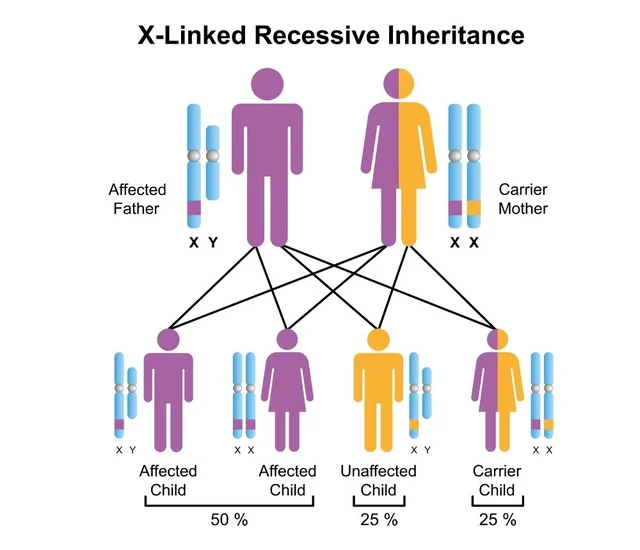
Carrier screening, for example, is used to identify individuals who carry a gene change linked to a disorder even if they have no obvious signs of that condition themselves. More broadly, screening tests may help evaluate whether a person is at higher risk and whether further counseling or diagnostic evaluation should be considered.
Who May Benefit from Genetic Screening
Genetic Screening may be appropriate for people who:
- have a relevant family history of inherited disease
- want a more advanced preventive health review
- want to better understand inherited risk as part of long-term planning
- are considering whether family-related or reproductive risk review is relevant
- want a more structured baseline for future health decisions
- are undergoing a broader advanced diagnostic assessment
CDC notes that genetic counseling and testing decisions are often guided by personal and family health history, which helps determine whether a genetic condition may be more likely and whether testing is appropriate.
How This Fits into a Broader Diagnostic Strategy
At Siam Clinic, Genetic Screening should be viewed as one part of a broader diagnostic pathway rather than a standalone endpoint.
Depending on the individual case, it may be reviewed alongside:
- Ultimate Checkup
- Micronutrient Profile
- Bioactive Hormone Panels
- Gut Microbiome Analysis
- broader personal and family health review
This matters because genetic findings are often most useful when they are interpreted together with clinical context. A genetic result may inform risk, but it usually does not replace current health assessment, symptom review, or other relevant diagnostics.
Why Results Need Careful Interpretation
A genetic result does not always mean that a disease will occur, and a result that appears reassuring does not always eliminate risk. The predictive value and clinical utility of some genetic tests can be variable, which is why interpretation matters so much in real-world care.
This is also why direct-to-consumer testing should be handled carefully. CDC states that consumer genetic tests should not be used alone to make decisions about treatment or medical care, and professional review is recommended when results could influence health decisions.
What This Assessment May Help Clarify
Genetic Screening may help support questions such as:
- Is there an inherited risk pattern that deserves closer attention?
- Does family history justify further review or counseling?
- Would additional monitoring or preventive planning be appropriate?
- Is follow-up diagnostic testing worth considering?
- Would family members also benefit from further discussion in some situations?
These are often the most practical uses of screening. The aim is not to overstate certainty, but to support clearer decision-making when inherited risk may be relevant.
What This Test Does Not Do
Genetic Screening can provide useful information in selected cases, but it also has important limitations.
It does not:
- predict future disease with complete certainty
- replace full medical evaluation
- explain every symptom or health concern
- guarantee that a condition will or will not develop
- eliminate the need for clinical interpretation or counseling
These limits are important because screening estimates risk rather than providing a complete answer in every case, and the meaning of a result often depends on what type of test was used and why it was ordered.
Our Clinical Approach
At Siam Clinic, we approach Genetic Screening as a context-dependent preventive assessment rather than a definitive forecast.
We believe this type of assessment is most useful when it is:
- guided by clinical relevance
- informed by personal and family history
- interpreted carefully
- connected to practical next steps
- integrated into a broader long-term health strategy
The purpose is informed planning, not genetic fear marketing.
FAQ
What is Genetic Screening?
Genetic Screening is a form of testing used to assess whether a person may be at increased risk for a genetic condition or may carry a gene change associated with an inherited disorder. It is different from diagnostic genetic testing, which is generally used when a condition is already suspected.
Who should consider Genetic Screening?
It may be useful for people with relevant family history, those interested in preventive health planning, or individuals who want to understand whether inherited risk may be part of a broader health discussion.
Can Genetic Screening tell me exactly what diseases I will get?
No. Genetic screening may estimate risk or identify certain inherited factors, but it cannot predict future disease with complete certainty. Results need to be interpreted in clinical context.
Is Genetic Screening the same as direct-to-consumer DNA testing?
Not necessarily. CDC notes that consumer genetic tests have limitations and should not be used alone to make medical decisions. A clinically guided genetic review is different from using a consumer report as a standalone answer.
Can Genetic Screening be useful even if I feel healthy?
Yes. Screening is often considered in people who are currently well but want to assess inherited risk, especially when family history or long-term health planning makes the information relevant.
Does a negative result mean I have no risk?
No. A negative result may be reassuring in some contexts, but it does not remove all health risk or replace routine preventive care. Results always need to be interpreted in light of the reason for testing and the broader clinical picture.
Is counseling important before or after testing?
Often yes. CDC states that genetic counseling helps assess how genetic conditions might affect you or your family and can help determine whether testing is appropriate and how to interpret results.