A more meaningful way to understand your body beyond weight alone.
Two people may have the same body weight but very different body compositions. One may carry a higher proportion of lean mass, while the other may have a higher proportion of body fat. In the same way, changes in body weight over time do not always show whether progress is coming from fat reduction, muscle loss, fluid shifts, or a combination of factors.
This is why body composition analysis can be a valuable part of a broader health assessment. It helps provide more context, especially when your goals involve metabolic health, fitness, weight management, recovery, or long-term wellness planning.
Rather than focusing only on how much you weigh, this assessment helps examine what that weight may represent.

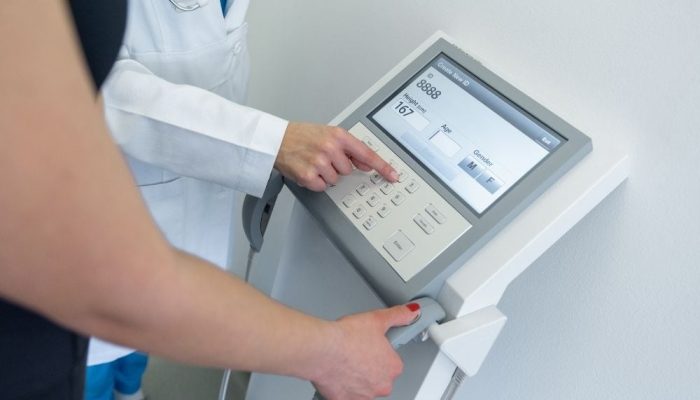
Body Composition Analysis is designed to assess the relative balance of several body components. Depending on the device and assessment method used, this may include:
These measurements can help create a more detailed baseline and support more thoughtful follow-up over time.
Body composition can be relevant in many areas of health and wellness. For example, a person may appear to be within a normal weight range but still carry an unfavorable balance of fat and lean mass. On the other hand, someone actively working on fitness or recovery may want to understand whether changes are occurring in the intended direction.
Body Composition Analysis may be useful because it can help:
It is not meant to replace clinical evaluation, but it can add meaningful context to your overall health picture.
Body Composition Analysis may be appropriate for people who:
It may also be useful for individuals who feel that body weight alone does not reflect their actual health progress.
In a preventive and longevity-focused setting, body composition can provide more useful insight than weight alone because it helps frame body change in a more structured way.
For example, gradual increases in fat mass, reductions in lean mass, or shifts in water balance may be worth monitoring over time, especially when viewed alongside other health data such as metabolic markers, physical activity, nutrition habits, and overall wellness goals.
This is one reason Body Composition Analysis can be a valuable component within a broader advanced diagnostic pathway.
At Siam Clinic, Body Composition Analysis may be used as a standalone assessment or as part of a wider diagnostic plan, depending on your goals and clinical context.
In some cases, it may be reviewed alongside:
The purpose is not to interpret one number in isolation, but to place your results into a larger and more practical health context.
Body Composition Analysis may help clarify questions such as:
These answers are often more useful than body weight alone, especially for individuals focused on long-term health improvement.

Body Composition Analysis can be helpful, but it also has limits. It does not diagnose a medical condition by itself, and it should not be used as the only basis for making major health decisions.
Results should always be interpreted in context, including your symptoms, medical history, goals, and other relevant findings. In some situations, further diagnostic evaluation may still be appropriate.
A useful assessment is not just about measurement. It is about interpretation.
At Siam Clinic, Body Composition Analysis is approached as a practical diagnostic tool rather than a cosmetic score.
We believe it is most useful when it is:
This helps make the information more meaningful and more actionable.
Body Composition Analysis is an assessment that looks at the makeup of your body beyond total weight alone. It may include measurements related to body fat, lean mass, muscle mass, water balance, and overall composition patterns.
Body weight only tells you how much you weigh. Body Composition Analysis provides more detail by helping estimate what that weight may consist of, such as fat mass, lean mass, and body water.
It may be useful for people interested in weight management, preventive health, metabolic wellness, fitness tracking, healthy aging, or establishing a clearer body baseline.
Yes. In many cases, Body Composition Analysis can be useful for monitoring trends over time, especially when body weight alone does not fully explain whether progress is occurring in the intended direction.
Not always. It can provide valuable information, but it should be interpreted in context and may be used alongside other assessments depending on your goals and clinical picture.
No. It is a supportive assessment tool and not a diagnosis on its own. Additional evaluation may still be needed depending on your symptoms, history, and overall findings.
The ideal timing depends on your goals. Some people may use it periodically to monitor trends, while others may include it as part of a broader annual or follow-up assessment.